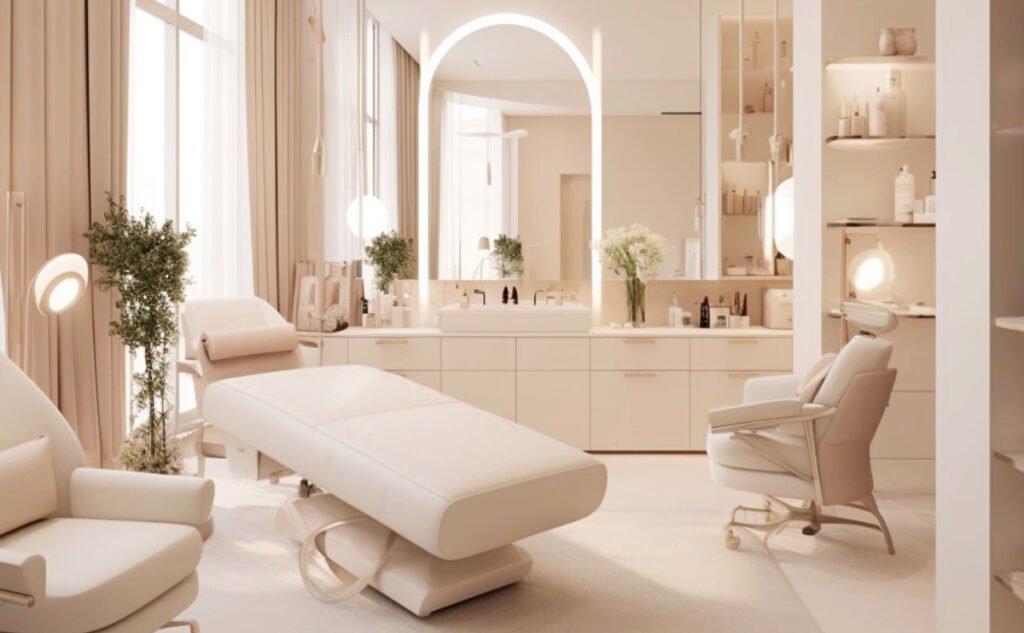
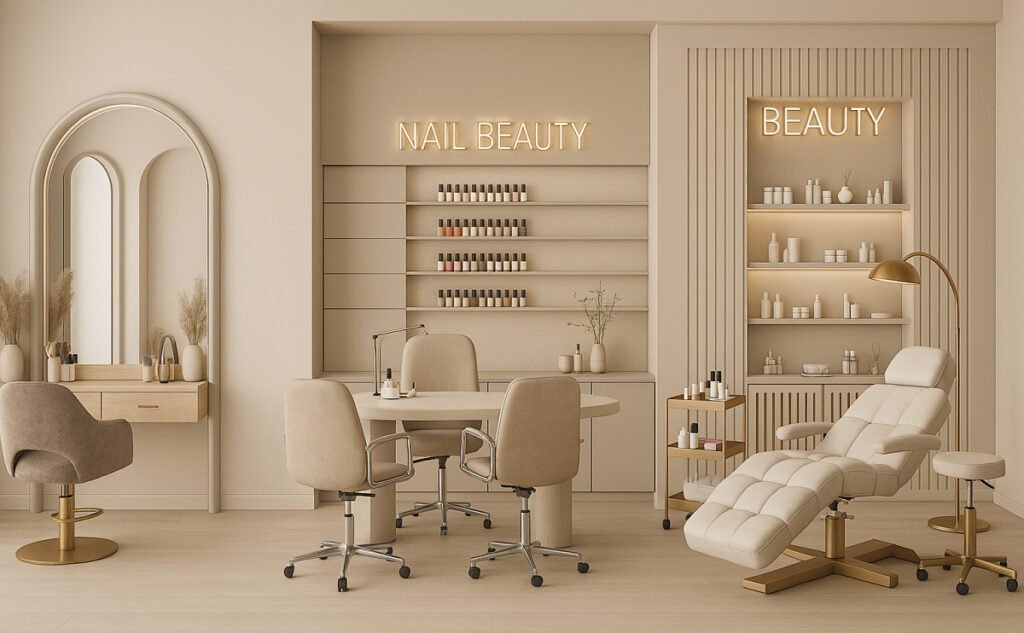
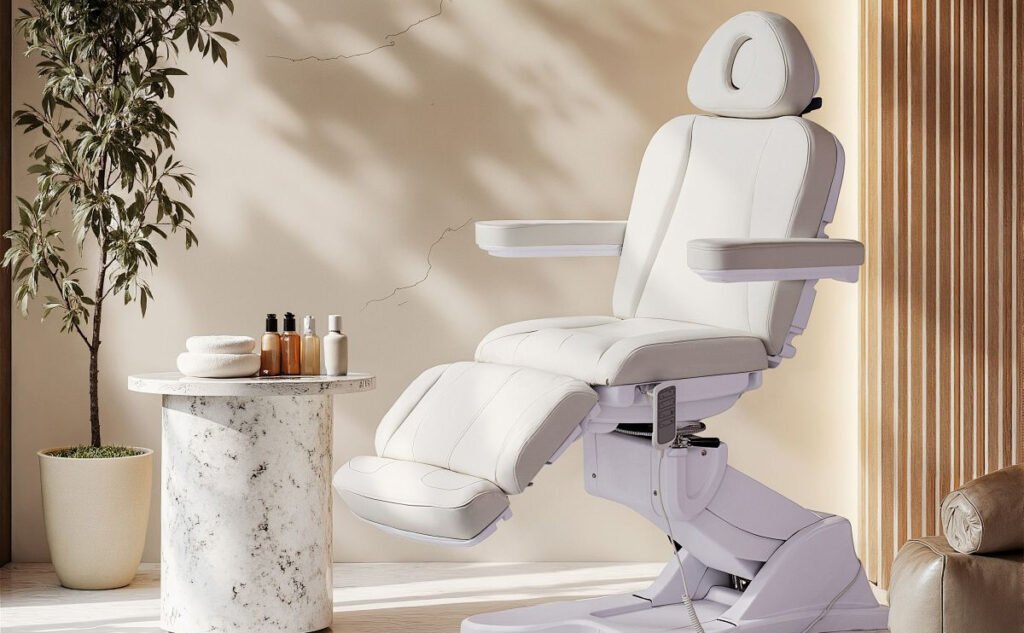
In the highly competitive salon and spa industry, where new businesses emerge daily and customer choices are abundant, standing out is no easy feat. Many salon owners focus on marketing campaigns, service quality, and staff training to attract and retain clients—but one crucial element is often overlooked: furniture. The right salon furniture isn’t just a functional necessity; it’s a powerful tool to enhance customer experience, build emotional connections, and even drive brand premium. In this guide, we’ll dive deep into how strategic furniture selection and placement can transform your salon’s performance, with real-world cases, actionable tips, and insights into 2026 industry trends.
Think about your last visit to a high-end salon or spa. What made you feel luxurious and valued? Chances are, it wasn’t just the skilled stylist or the premium products—it was the comfortable treatment bed that made you drift off during a massage, the stylish yet supportive styling chair that let you relax while getting a haircut, and the cohesive decor that made you want to take photos and share them on social media. These elements all tie back to furniture, which shapes the entire customer journey from the moment they walk in the door to the second they leave.
1. The Customer Journey: How Furniture Shapes Every Touchpoint
To understand the impact of furniture on customer retention, we first need to map the customer journey and identify key touchpoints where furniture plays a role. Every interaction a client has with your salon’s furniture contributes to their overall perception of your brand—for better or worse.
1.1 The First Impression: Reception Area Furniture
The reception area is your salon’s “first handshake” with clients. A cluttered, uncomfortable waiting area with mismatched chairs and rickety tables will immediately set a negative tone, while a sleek, inviting space with plush seating, elegant side tables, and branded storage solutions will make clients feel welcome and confident in your services. For example, a luxury spa in Dubai replaced its outdated plastic waiting chairs with custom velvet sofas in its brand color, paired with marble side tables and soft lighting. Within three months, customer satisfaction scores for the “waiting experience” jumped from 68% to 92%, and repeat bookings increased by 25%.
Key tips for reception area furniture: Choose pieces that reflect your brand style (minimalist, bohemian, luxury), prioritize comfort for long waits, and incorporate storage to keep the space tidy. Adding small touches like charging ports in waiting chairs or a stylish display rack for your products can also enhance convenience and brand exposure.
1.2 The Core Service: Styling & Treatment Area Furniture
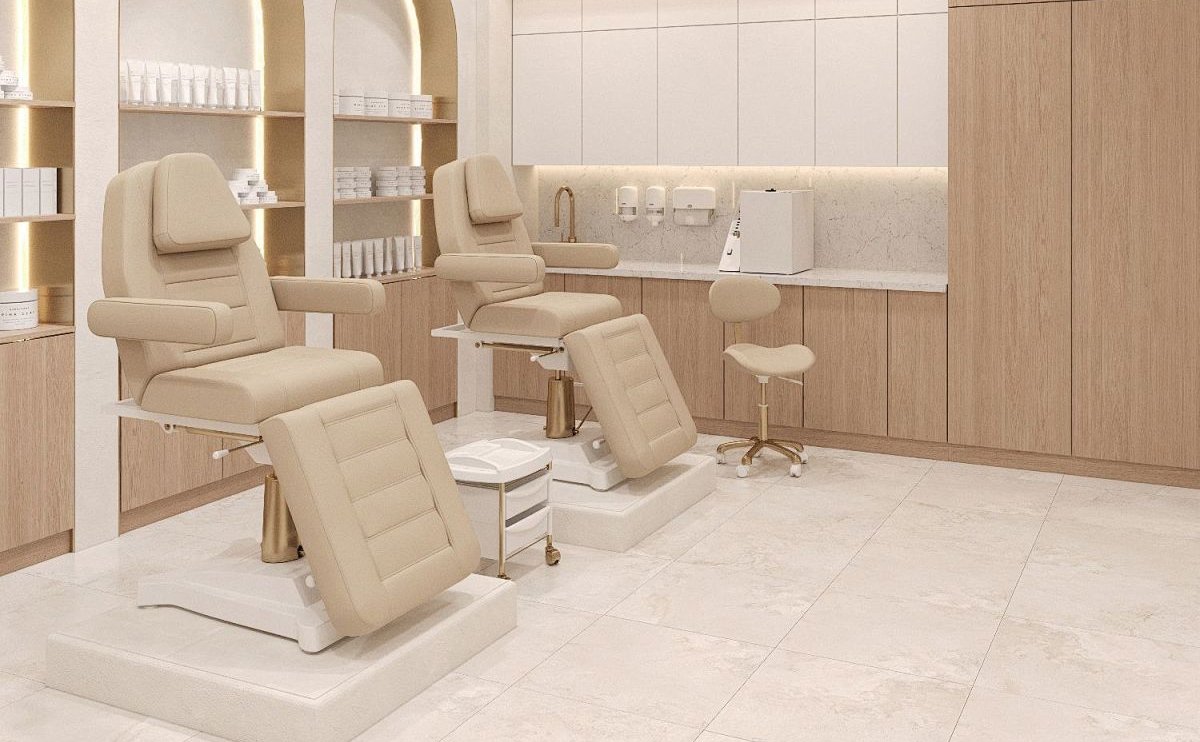
This is where the magic happens—and where furniture has the biggest impact on customer comfort and satisfaction. For styling chairs, ergonomics is non-negotiable. Stylists spend 8+ hours a day working, and a chair that adjusts to their height and posture can reduce fatigue and improve service quality. For clients, a chair with padded armrests, a reclining back, and a footrest will make long services (like hair coloring or extensions) much more bearable.
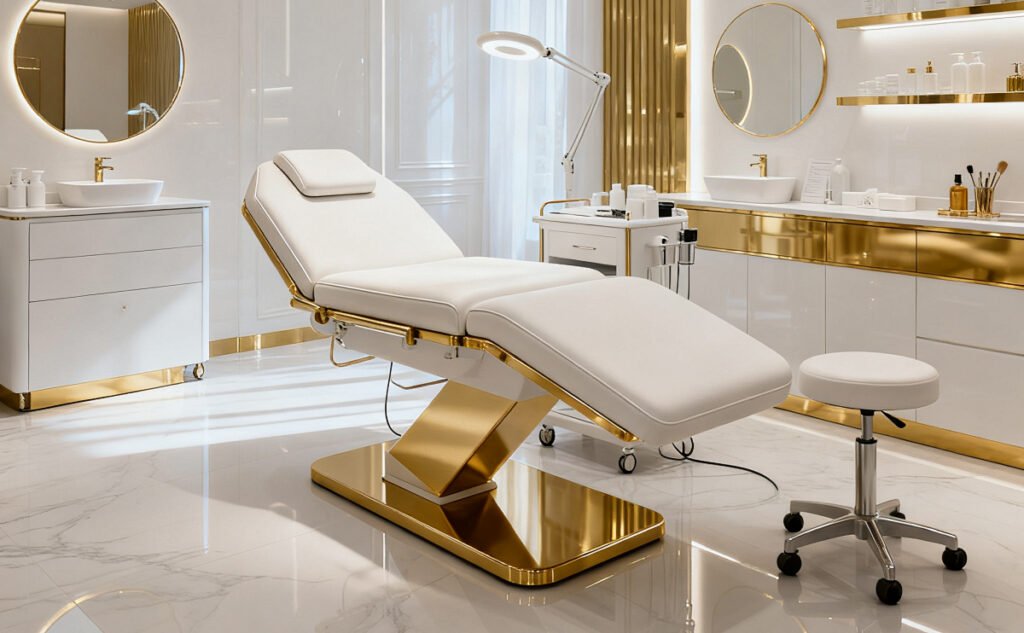
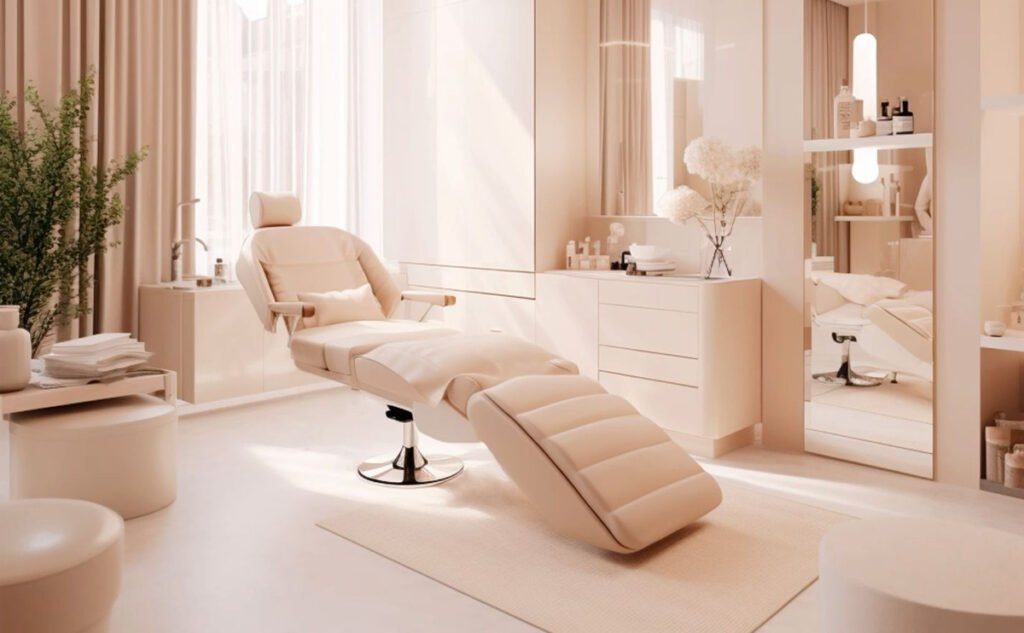
Treatment beds are equally important for spas and wellness centers. A high-quality treatment bed with adjustable height, multiple reclining positions, and memory foam padding can turn a basic facial into a luxurious retreat. A salon in London specializing in hair and beauty services invested in ergonomic styling chairs with built-in massage functions and custom treatment beds with heated surfaces. Clients raved about the comfort, and the salon reported a 30% increase in referrals and a 15% increase in average spending per visit (clients were more likely to add on extra services when they felt relaxed).
1.3 The Final Touch: Post-Service & Retail Area Furniture
The post-service area (where clients dry their hair or relax after a treatment) and retail area are often overlooked, but they’re key for driving additional revenue and building loyalty. Comfortable seating in the drying area encourages clients to stay longer, giving your staff more time to recommend products. Stylish display shelves and tables for retail products can make them more appealing—clients are more likely to buy a product if it’s displayed in a way that fits with the salon’s aesthetic.
A chain salon in the US redesigned its retail area with custom wooden display tables that matched its styling chairs, adding comfortable stools where clients could sit and test products. The result? Retail sales increased by 40% in six months, and clients reported feeling “less pressured” to buy—they saw the retail area as an extension of the relaxing salon experience, not a sales pitch.
2. Furniture as a Brand Differentiator: Standing Out in a Crowded Market
In a market where most salons offer similar services (haircuts, color, facials), furniture can be your secret weapon to differentiate your brand. Custom furniture, in particular, allows you to create a unique look and feel that no competitor can replicate. This uniqueness not only attracts new clients but also builds brand loyalty—clients will remember your salon as “the one with the beautiful, comfortable chairs” or “the spa with the custom treatment beds that fit perfectly.”
2.1 Custom Furniture: Aligning with Brand Identity
Custom furniture lets you infuse your brand’s personality into every corner of your salon. For example, a bohemian-themed salon in Barcelona worked with a supplier to create custom styling chairs with handwoven fabric in earthy tones, paired with wooden frames and macramé details. The furniture perfectly matched the salon’s brand story of “natural, holistic beauty,” and clients flocked to the salon just for the ambiance—many even posted photos of the chairs on Instagram, giving the salon free social media exposure.
Another example is a high-end celebrity salon in Los Angeles that uses custom leather styling chairs embossed with its logo. The chairs not only look luxurious but also serve as a status symbol—clients feel like they’re getting a “VIP experience,” which justifies the salon’s premium pricing. The salon reports that 70% of its clients cite “the unique, luxurious furniture” as a key reason they choose to return.
2.2 Sustainable Furniture: Appealing to Eco-Conscious Clients
Sustainability is a growing trend in the beauty industry, and eco-friendly furniture is a great way to attract and retain environmentally conscious clients. More and more clients are choosing brands that align with their values, and using sustainable materials (reclaimed wood, vegan leather, recycled metal) in your furniture shows that you care about the planet.
A spa in Vancouver switched to furniture made from reclaimed wood and vegan leather, and promoted this change on its website and social media. Within a year, 35% of its new clients said they chose the spa because of its sustainable practices, and the spa saw a 20% increase in repeat bookings from eco-conscious customers. Additionally, the sustainable furniture became a talking point—clients loved sharing that they were supporting a “green spa,” which helped the spa gain more referrals.
3. 2026 Salon Furniture Trends: Stay Ahead of the Curve
To keep your salon relevant and appealing, it’s important to stay updated on the latest furniture trends. Here are the top 2026 trends that will shape the salon and spa industry:
3.1 Smart Furniture: Integrating Technology for Enhanced Experience
Smart furniture is set to take the industry by storm in 2026. This includes styling chairs with built-in USB ports and wireless charging, treatment beds with adjustable temperature and massage functions controlled by a tablet, and even mirrors with LED lighting that can be adjusted to match different skin tones (perfect for makeup services). A salon in Tokyo was one of the first to adopt smart styling chairs, and clients loved the convenience of charging their phones while getting their hair done. The salon reported a 28% increase in repeat bookings from tech-savvy clients.
3.2 Minimalist & Multifunctional Furniture
As salon spaces become more expensive, minimalist and multifunctional furniture is becoming increasingly popular. This includes folding treatment tables that can be stored away when not in use, styling chairs with built-in storage for tools, and modular seating that can be rearranged for different events (like hair workshops or product launches). A small salon in Paris used multifunctional furniture to maximize its limited space—folding treatment beds allowed the salon to offer both hair and beauty services without feeling cramped, and modular waiting chairs could be rearranged for group bookings. The salon’s revenue increased by 32% after the furniture upgrade, as it was able to serve more clients and offer more services.
3.3 Bold Colors & Textures
While neutral tones will always be a staple in salons, 2026 will see a rise in bold colors and textures. Think deep emerald greens, rich burgundies, and velvet or satin fabrics. These bold choices add personality and make the salon more Instagram-worthy, which is crucial for attracting younger clients. A salon in Berlin added bold velvet styling chairs in emerald green to its neutral-toned space, and the chairs became a viral hit on social media—clients traveled from other cities just to get their hair done in the “emerald chairs,” and the salon’s social media following grew by 500% in six months.
4. Real-World Case Study: How a Small Salon Tripled Its Repeat Bookings with Furniture Upgrades
To illustrate the power of furniture, let’s take a look at a real case study of a small salon in Melbourne, Australia. Before the upgrade, the salon had outdated, uncomfortable furniture—plastic styling chairs, a rickety waiting bench, and basic treatment beds. Customer retention was low (only 20% of clients returned for a second visit), and the salon struggled to compete with nearby high-end salons.
The salon owner decided to invest in furniture upgrades, focusing on three key areas:
Reception area: Replaced the waiting bench with custom velvet sofas in the salon’s brand color (soft pink), added marble side tables and a branded reception desk.
Styling area: Upgraded to ergonomic styling chairs with padded armrests and reclining backs, matching the salon’s pink and gold brand palette.
Treatment area: Invested in high-quality treatment beds with memory foam padding and adjustable height.
The results were transformative:
Customer retention jumped from 20% to 65% within six months.
Average spending per client increased by 22% (clients were more likely to book additional services like hair masks or scalp treatments).
Social media engagement increased by 300%—clients shared photos of the salon’s new furniture, leading to a 45% increase in new clients.
The salon owner attributed the success to the improved customer experience: “Clients no longer see us as just another salon—they see us as a luxurious, relaxing space where they can unwind. The furniture made all the difference; it’s the first thing clients comment on now.”
5. How to Choose the Right Furniture Supplier for Long-Term Success
Now that you understand the impact of furniture, the next step is to choose the right supplier. A reliable supplier will not only provide high-quality furniture but also help you align your choices with your brand and business goals. Here are the key factors to look for:
5.1 Customization Capabilities
Choose a supplier that offers OEM/ODM services, so you can create custom furniture that matches your brand identity. Look for a supplier with a professional R&D team that can help you refine your ideas and turn them into reality.
5.2 Global Certifications & Quality Assurance
Ensure the supplier holds global certifications like CE, RoHS, and ISO 13485, which guarantee that the furniture meets international standards for quality and safety. A good supplier will also have a strict quality control process, from material selection to production.
5.3 After-Sales Service & Support
Furniture is an investment, so you need a supplier that offers reliable after-sales service. This includes delivery support, assembly guidance, and warranty coverage for any defects. A supplier that provides 1-on-1 consulting will also help you make the right choices for your salon’s size, style, and budget.
Ready to Transform Your Salon with the Right Furniture?
Salon furniture is more than just a functional item—it’s a strategic investment that can boost customer retention, drive brand premium, and set your business apart from the competition. By focusing on the customer journey, aligning furniture with your brand identity, staying ahead of industry trends, and choosing the right supplier, you can create a salon space that clients love and keep coming back to.
At [Your Brand Name], we specialize in providing custom, high-quality salon furniture solutions to salons, spas, and wellness centers worldwide. Our 10+ professional R&D team works closely with you to understand your brand and business goals, creating furniture that is both functional and aesthetically pleasing. We hold global certifications (CE, RoHS, ISO 13485, EU MDR Class I) and have a 12,000㎡ smart production facility equipped with world-class digital machinery, ensuring that every piece of furniture meets the highest standards of quality and durability.
Whether you’re a small salon looking to upgrade your furniture or a large chain wanting to create a cohesive brand experience across locations, we’re here to help. Contact our 1-on-1 consultant today for a free customized quote and design plan. Let’s work together to create a salon space that drives growth, retains clients, and makes your brand unforgettable!