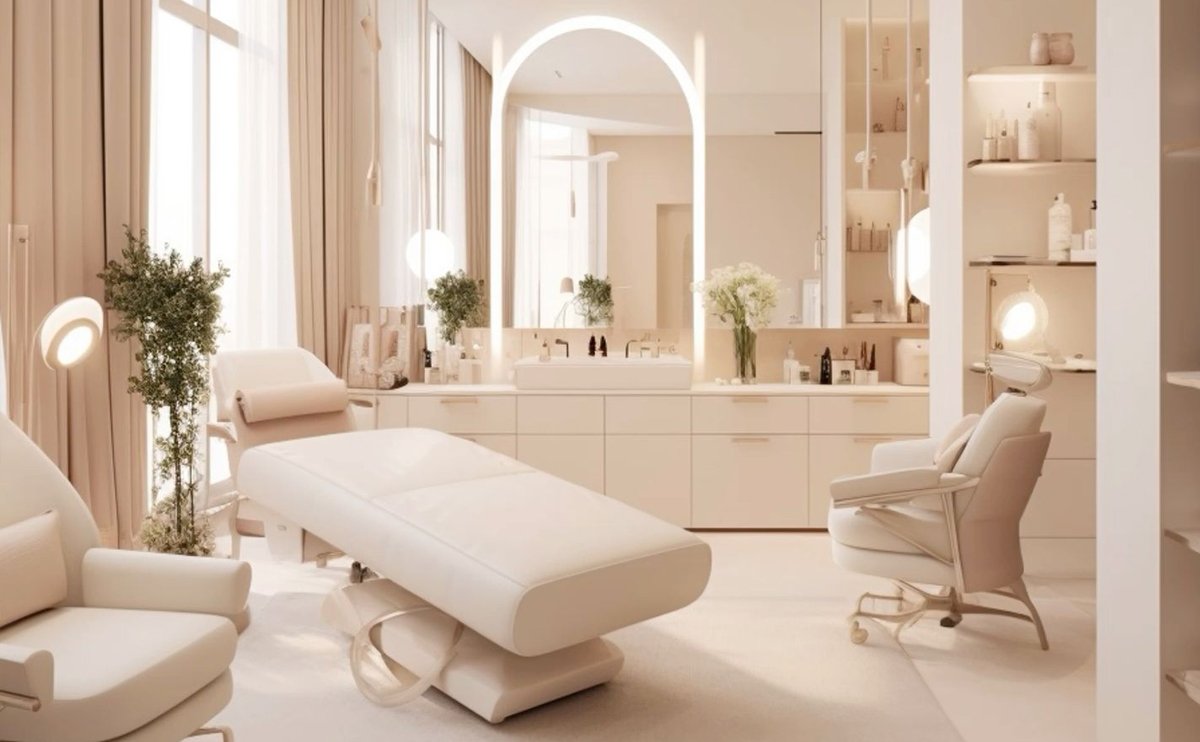
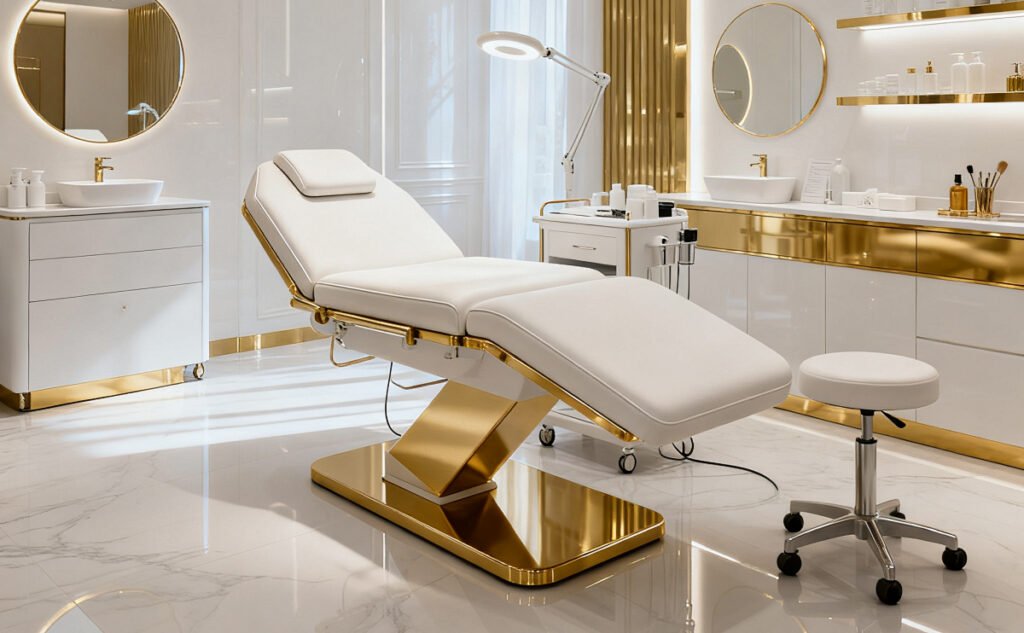
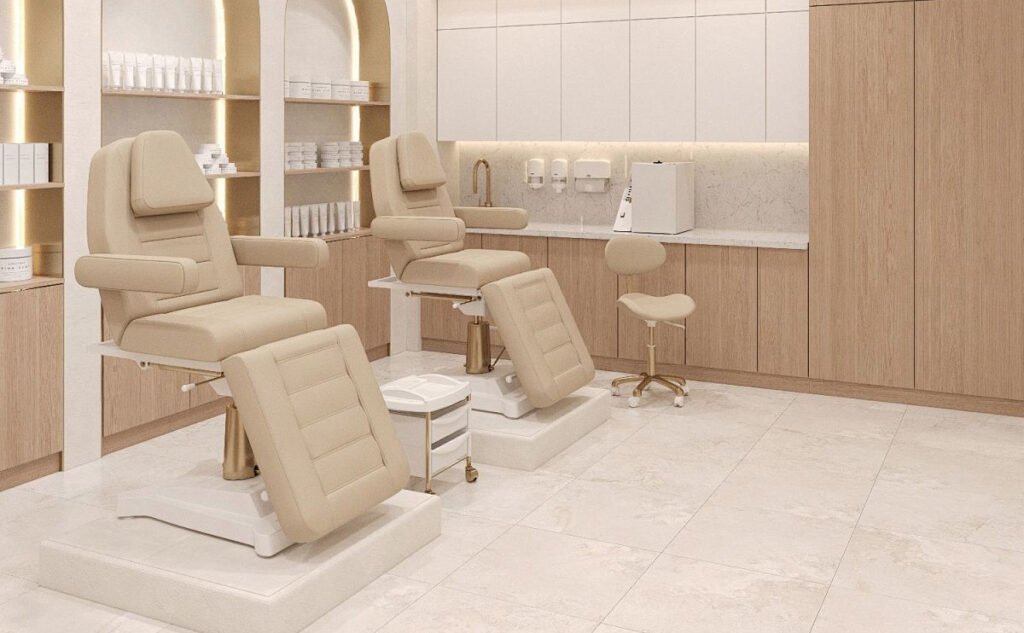
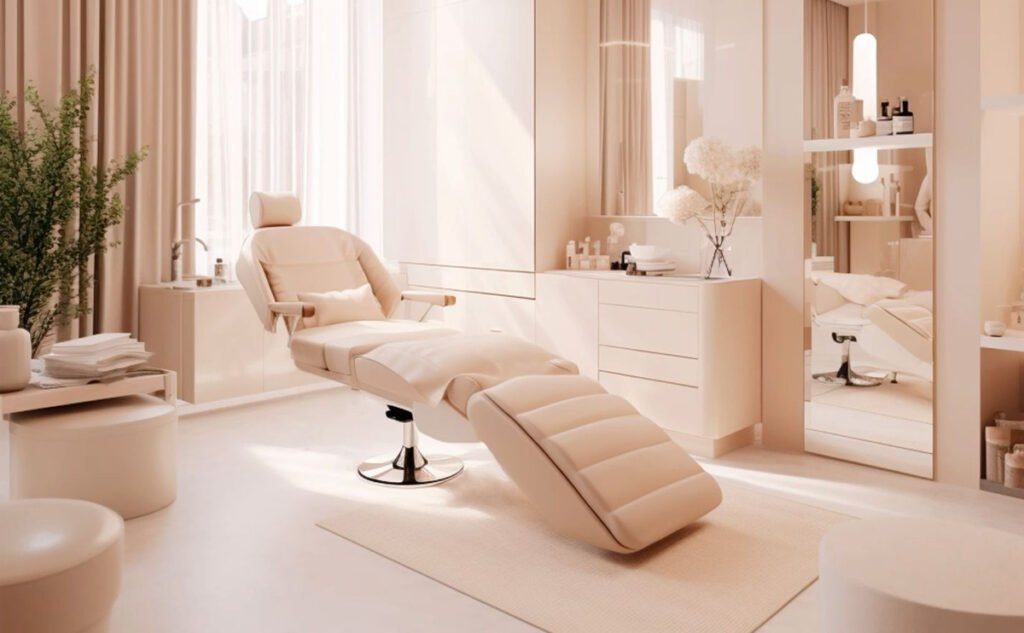
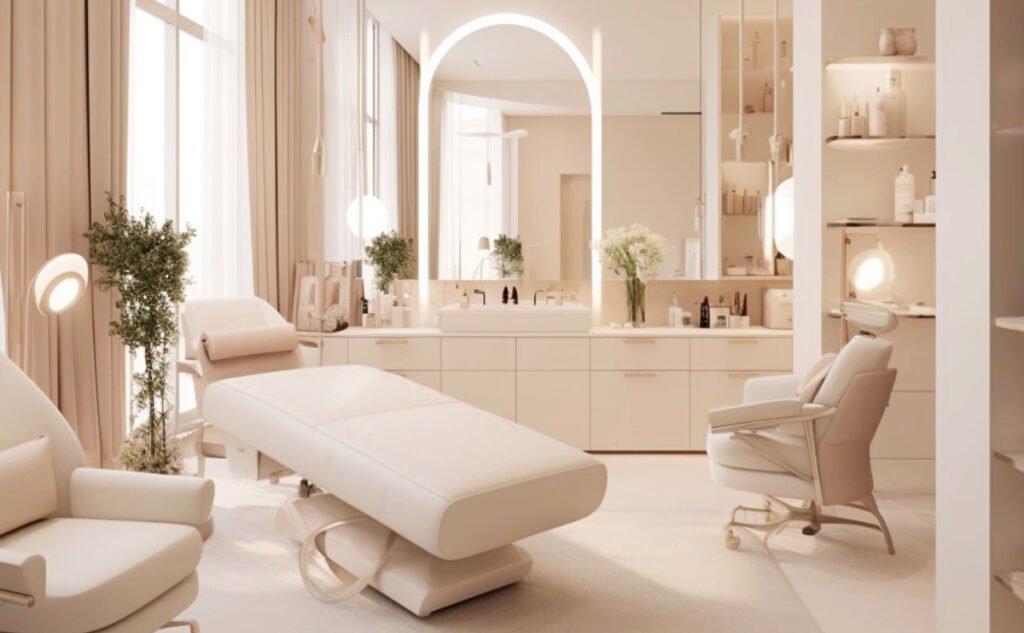
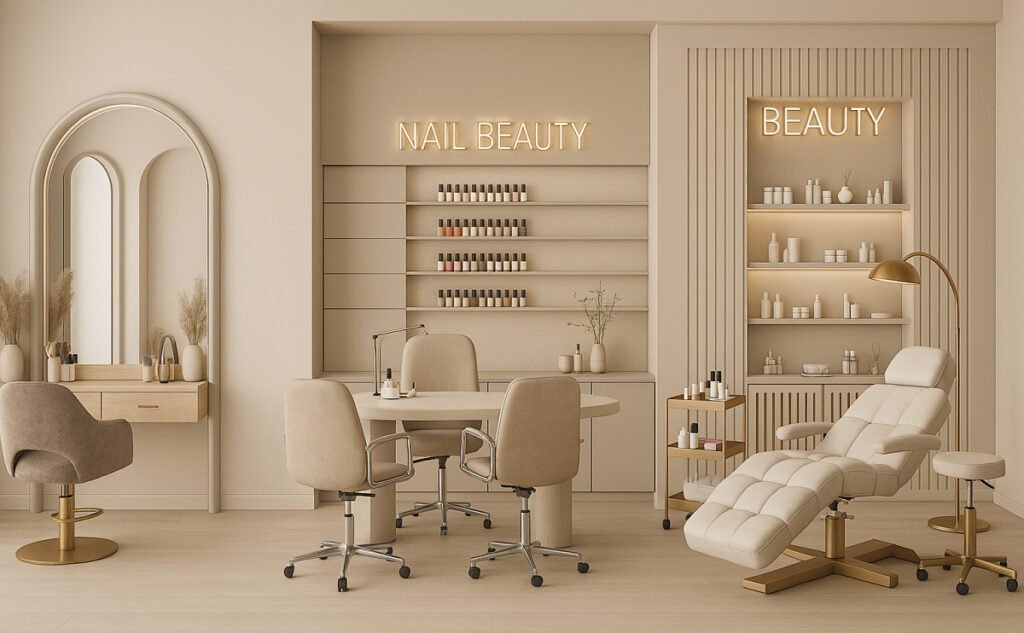
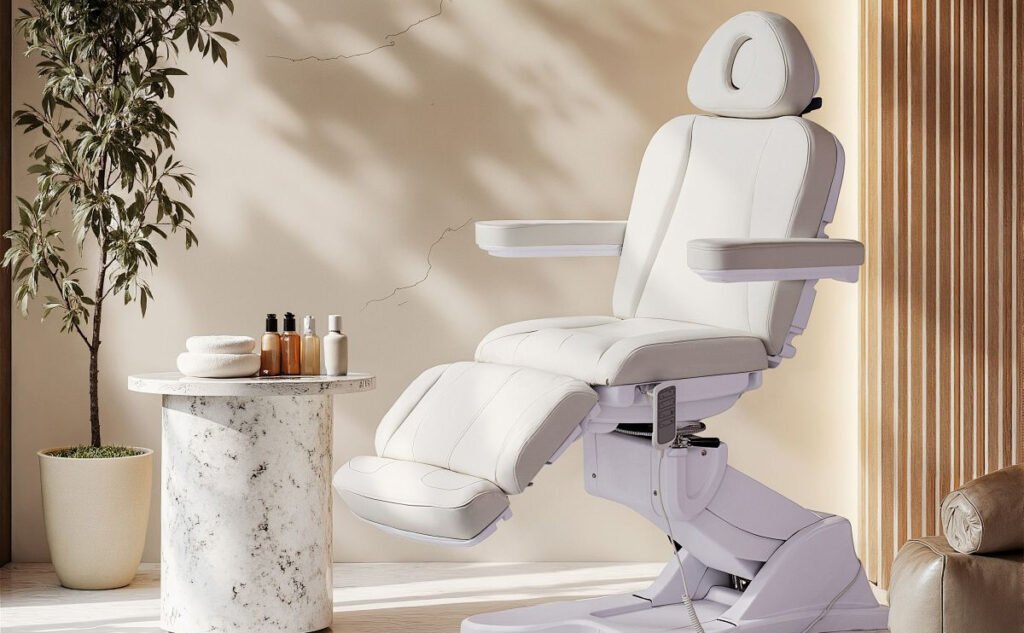
In today’s saturated salon and spa market, “being ordinary” is the biggest risk. Clients are no longer just looking for professional services—they crave an immersive experience that resonates with their personal tastes and values. Your salon’s brand tone, the emotional and visual impression it leaves on clients, is what sets you apart from competitors. And one of the most powerful tools to shape this tone? Furniture. From the style of your styling chairs to the material of your treatment beds, every piece of furniture tells a story about your brand. In this guide, we’ll explore how to use salon furniture to define and amplify your brand tone, attract your ideal clients, and build long-term loyalty.
Think of some of the most memorable salons you’ve encountered. Maybe it’s a minimalist salon with clean lines, neutral tones, and sleek metal furniture that feels calm and sophisticated. Or a bohemian spa with wooden frames, colorful textiles, and cozy seating that exudes warmth and creativity. In both cases, furniture is the foundation of the brand’s visual identity and emotional appeal. It’s not just about looking good—it’s about creating a consistent experience that makes clients feel “this is my kind of place.”
1. Understanding Brand Tone: The Foundation of Your Salon’s Identity
Before diving into furniture selection, it’s critical to clarify your salon’s brand tone. Brand tone is the combination of your brand’s personality, values, and visual style—it answers the question: “How do we want clients to feel when they’re in our space?” Common brand tones in the salon industry include minimalist calm, luxury elegance, bohemian warmth, industrial edginess, and playful vibrancy.
Your brand tone should align with your target clientele. For example, if your ideal clients are busy professionals seeking relaxation, a “minimalist calm” tone makes sense. If you cater to celebrities and high-net-worth individuals, a “luxury elegance” tone is more appropriate. Once you’ve defined your tone, every piece of furniture should work together to reinforce it—avoiding mismatched styles that confuse clients and dilute your brand identity.
2. Furniture as a Brand Messenger: Key Elements That Shape Tone
Every element of your salon furniture—style, material, color, and detail—contributes to your brand tone. Here’s how to leverage these elements to convey your desired message:
2.1 Style: The Overall Aesthetic of Furniture
The style of your furniture is the most obvious indicator of your brand tone. Here are common furniture styles and the brand tones they convey:
Minimalist Style: Clean lines, simple shapes, and no unnecessary ornamentation. Conveys “minimalist calm” and “sophistication.” Ideal for salons focusing on relaxation and modernity. Example: Low-profile styling chairs with smooth vinyl upholstery, sleek metal bases, and built-in storage to keep the space clutter-free.
Luxury Style: Curved lines, premium materials, and精致 details. Conveys “luxury elegance” and “exclusivity.” Ideal for high-end salons and spas. Example: Tufted leather treatment beds with chrome accents, marble side tables, and velvet waiting chairs.
Bohemian Style: Organic shapes, natural materials, and vibrant patterns. Conveys “warmth” and “creativity.” Ideal for boutique salons with a holistic or eco-friendly focus. Example: Hand-carved wooden styling chairs, macramé-adorned treatment beds, and colorful woven rugs.
Industrial Style: Exposed metal, reclaimed wood, and rugged textures. Conveys “edginess” and “authenticity.” Ideal for urban salons catering to a younger, trend-focused clientele. Example: Metal-framed styling chairs with distressed leather upholstery, concrete reception desks, and open shelving made of reclaimed wood.
2.2 Material: The Touch and Feel of Your Brand
Material choice has a profound impact on how clients perceive your brand—it’s not just visual, but tactile. Here’s how materials align with brand tones:
Leather/Vinyl: Leather conveys luxury and durability; vinyl is a practical, easy-to-clean alternative that can mimic leather. Both work for luxury, minimalist, or industrial tones.
Wood: Natural wood conveys warmth and authenticity; reclaimed wood adds an industrial or bohemian edge. Ideal for bohemian, rustic, or holistic salons.
Metal: Polished chrome or stainless steel conveys modernity and luxury; blackened metal adds industrial edginess. Versatile for multiple tones when paired with the right upholstery.
Fabrics (Velvet, Linen, Woven Textiles): Velvet adds luxury and softness; linen conveys minimalism and breathability; woven textiles add bohemian warmth. Perfect for enhancing the emotional appeal of your space.
2.3 Color: The Emotional Language of Furniture
Color is a powerful emotional trigger, and your furniture’s color palette should align with your brand tone. Here are common color strategies for different tones:
Minimalist Calm: Neutral tones (white, beige, gray, soft taupe) with subtle accents. Creates a serene, clutter-free feel.
Luxury Elegance: Rich, deep tones (emerald green, burgundy, navy) or metallic accents (gold, chrome) paired with neutrals. Conveys sophistication and exclusivity.
Bohemian Warmth: Earthy tones (terracotta, mustard, olive) mixed with bold, vibrant pops of color (turquoise, coral). Creates a lively, welcoming atmosphere.
Industrial Edginess: Monochromatic tones (black, white, gray) with raw metal accents. Adds a bold, urban feel.
3. Practical Strategies: Use Furniture to Amplify Your Brand Tone
Defining your brand tone and understanding furniture elements is just the start—here are actionable strategies to bring it all together:
3.1 Create a Cohesive Furniture Palette
Consistency is key to building a recognizable brand. Choose 2-3 core furniture styles, materials, and colors, and use them throughout your salon. For example, a luxury spa might use tufted leather furniture (style), chrome accents (material), and emerald green + gold (colors) in the reception area, treatment rooms, and retail space. This cohesion makes your brand memorable and reinforces your tone at every touchpoint.
3.2 Use Custom Furniture to Highlight Brand Uniqueness
Custom furniture is the ultimate way to stand out—you can design pieces that perfectly match your brand tone and can’t be found elsewhere. Add subtle brand elements like embossed logos on styling chair headrests, custom fabric prints with your brand pattern, or unique shapes that reflect your brand’s personality. A minimalist salon might opt for custom low-profile treatment beds with hidden storage; a bohemian salon could have hand-painted wooden trolleys with brand colors.
Example: A luxury hair salon in New York worked with a custom furniture supplier to create styling chairs with their logo embossed on the leather armrests and a custom gold frame finish. The chairs perfectly matched the salon’s “luxury elegance” tone, and clients frequently commented on the unique, high-end feel—many shared photos of the chairs on social media, boosting brand exposure.
3.3 Balance Aesthetics with Functionality
While brand tone is important, furniture must still be functional. A beautiful styling chair that’s uncomfortable for stylists or clients will undermine the experience. Prioritize ergonomic features (adjustable height, lumbar support) even as you focus on aesthetics. For example, a bohemian salon can choose wooden styling chairs with ergonomic backrests and padded seats—combining warmth with comfort.
3.4 Use Furniture to Guide the Client Journey
Furniture can also shape the flow of your salon and enhance the client journey. For a “minimalist calm” salon, use low-profile furniture and wide walkways to create a sense of spaciousness and relaxation. For a “luxury elegance” salon, place plush waiting chairs near a curated retail display to encourage clients to browse high-end products while they wait. Every furniture placement should reinforce your brand tone and make the client experience seamless.
4. Real-World Case Study: How a Boutique Salon Doubled Its Ideal Client Base with Brand-Aligned Furniture
To illustrate the power of furniture in defining brand tone, let’s look at a real case study of a boutique salon in Portland, Oregon. Before rebranding, the salon had a mismatched furniture style—mixing industrial metal chairs with floral-patterned waiting sofas—and struggled to attract a consistent client base. They decided to redefine their brand tone as “bohemian holistic” and upgrade their furniture to align with this identity.
The salon’s furniture upgrades included:
Reception area: Hand-carved wooden reception desk, woven rattan waiting chairs, and terracotta-colored accent pillows.
Styling area: Ergonomic wooden styling chairs with linen upholstery in olive green, paired with wooden trolleys with hand-painted details.
Treatment rooms: Custom rattan treatment beds with memory foam padding, linen sheets in natural tones, and wooden side tables with potted plants.
The results were transformative:
The salon attracted 2x more ideal clients (young professionals seeking holistic, eco-friendly beauty services) within 8 months.
Client retention increased from 35% to 70%—clients reported feeling “at home” and “aligned with the salon’s values.”
Social media engagement grew by 400%—clients shared photos of the salon’s bohemian-inspired furniture, leading to a 55% increase in new clients from organic social media.
Average spending per client increased by 28%—clients were more willing to book premium holistic services (e.g., organic hair treatments, aromatherapy massages) because the space reinforced the “luxury holistic” vibe.
The salon owner said: “Before, we were just another salon. Now, clients choose us because our space feels like an extension of their lifestyle. The furniture didn’t just change the look—it changed the entire identity of our business and who we attract.”
5. Choosing the Right Furniture Supplier to Bring Your Brand Tone to Life
To create a brand-aligned salon space, you need a furniture supplier that understands your vision and can deliver custom, high-quality pieces that match your tone. Here are the key criteria to look for:
5.1 Customization Capabilities
Choose a supplier that offers OEM/ODM services, so you can customize every aspect of the furniture—style, material, color, and details. A professional R&D team should work with you to translate your brand tone into furniture designs.
5.2 Expertise in Salon Aesthetics
Look for a supplier with experience in the salon and spa industry—they’ll understand the unique balance of aesthetics and functionality required. They should be able to offer recommendations based on your brand tone and target clientele.
5.3 Quality and Durability
Brand tone is undermined by shoddy, low-quality furniture. Ensure the supplier uses premium materials and holds global certifications (CE, RoHS, ISO 13485) to guarantee durability and safety. Your furniture should look great and last for years—reinforcing your brand’s reliability.
5.4 Responsive Communication and Support
A good supplier will listen to your needs, provide design mock-ups, and offer support throughout the production and delivery process. They should be able to adjust designs based on your feedback to ensure the final product perfectly matches your vision.
Ready to Define Your Salon’s Brand Tone with the Right Furniture?
Your salon’s brand tone is your competitive advantage, and furniture is the most powerful tool to bring it to life. By clarifying your tone, leveraging furniture elements (style, material, color), creating a cohesive space, and partnering with a custom furniture supplier, you can build a salon that attracts your ideal clients, fosters loyalty, and stands out in a crowded market.
At [Your Brand Name], we specialize in helping salon and spa owners create brand-aligned spaces with custom, high-quality furniture solutions. Our 10+ professional R&D team will work closely with you to understand your brand tone, target clientele, and business goals, designing furniture that is both aesthetically pleasing and functional. We use premium materials, offer flexible customization options (style, material, color, logo embossing), and hold global certifications (CE, RoHS, ISO 13485, EU MDR Class I) to ensure durability and reliability. Our 12,000㎡ smart production facility ensures that every piece of furniture is crafted to the highest standards.
Ready to create a salon space that defines your brand and attracts your ideal clients? Contact our 1-on-1 consultant today for a free custom design consultation and quote. Let’s work together to bring your brand vision to life with furniture that tells your unique story!